Kids Clinics
All clinics, sorted by County.
Clinic listings (21)
Mobile: 07496 596 969
Email: nicholas@wirralbowentherapy.co.uk
Web: www.wirralbowentherapy.co.uk
These are some of the symptoms which have been reported to respond well to Bowen treatment in children: Allergies, ADD, ADHD, Autism, Asthma, Bed-wetting, Cerebral Palsy, Chest infections, Clicky Hips, Colic, Constipation, Croup, Dyspraxia, Eczema, Glue-ear, Growing Pains, Headaches, Muscular-Skeletal Issues, Panic Attacks, Psoriasis, Sinusitis and Stress. Some childhood ailments may require more regular Bowen treatment to achieve an enduring result. For more information please feel free get in touch by phone or e-mail.
Nicholas trained with the European College of Bowen Studies in 2013 and has also completed CPD courses with Sylvia Wilkinson on Mother and Baby Bowen. As well working with adults he has expertise with children as young as 2 weeks.
Tel: 01900 821 122
Email: info@northlakesclinic.co.uk
Web: www.northlakesclinic.co.uk/
Experience has shown children to be especially keen to receive Bowen treatment and especially receptive. Amongst the most common presentations are baby colic, sports injuries and bad backs, often associated with poor posture and badly designed school furniture.
Costs are kept to a minimum as I am passionate about seeing babies up to teenagers, who all have their particular needs.
Clinic times are by appointment only.
Children are seen as part of the main clinic work rather than on a special day and can be accommodated according to the needs of the child and accompanying adult.
FREE - Donations welcome.
Mobile: 07590 689 887
Email: danielle@bowenbydanielle.co.uk
Web: www.bowenbydanielle.co.uk
Danielle has several years of experience in treating babies as young as one day old right through to teenagers. Problems that have been helped during this time include colic, anxiety, sensory disturbances, sleeping problems, persistent coughs and colds, balance problems, growing pains, muscle aches, trips and falls due to structural misalignment, asthma, headaches and more.
Danielle has attended several development courses, including specific course on 'Bowen for Pregnancy and Babies' and 'Fascia Bowen', a very gentle form of bowen that children respond well to.
As with all treatment, Bowen for babies and children is light and gentle. Treatments can be on couches, chairs, on the parent's lap or whilst the child is playing. Treatments are carried out through light clothing whilst the parent is present.
For more information please see www.bowenbydanielle.co.uk/childrens-bowen-clinic/.
Please feel free to contact me for availability or to have a chat to see how Bowen could help you or your child.
Clinic times are by appointment. Sessions can range from approximately 15 minutes for a baby through to approximately 45 minutes for an older child. However if your child needs more time, this will be accommodated.
Babies and toddlers (0-3 years) - Donations accepted
Children (4-16 years) - £26
Children with disabilities - Donations accepted
This children's clinic is run by therapist Nina de Pina Perou with the help of a core team of therapists and a helper to meet and greet people and take bookings.
The team sees children from newborn to 16 years of age who may present with any difficulties that affect their day to day living. They have been made most welcome by the Health Centre staff and the doctors frequently recommend parents to give them a try to see if Bowen can help their children. They can accommodate 12 children per clinic, which is run twice monthly.
Nina has been working with children since 2001 and has attended several continued professional development courses. She also has her own clinic with the flexibility for weekend and evening appointments. Nina has experience seeing babies, children and adolescents with a variety of presentations including colic, asthma, glue ear, migraines, poor sleep, difficulties with concentration, constipation, persistent coughs and colds, anxiety, growing pains and more.
Please ring to discuss treatment needs and expectations.
To read some interesting articles about how Bowen can help children with a variety of symptoms, please click on one of the tabs below:
Healing for little ones too
Today's Therapist, Nov/Dec 2001 issue
When Kate Bridges first heard about Bowen, it was one of those "too good to be true" type stories - the symptoms of a long standing frozen shoulder gone after only three treatments. Kate is now a Bowen practitioner herself and knows that in Bowen circles these life-changing stories are frequent, and they are for real - not that Bowen works for everyone - there will always be about 20% who do not respond to Bowen. But then, that leaves 80% who have a positive response.
Although Bowen is more typically known for its success in the treatment of neck, back and shoulder problems, it can be used effectively for a whole range of physical, emotional and stress related symptoms. This is true for treating children as well and symptoms from infant colic to bedwetting have responded well to Bowen. During the course of a Bowen treatment the practitioner leaves the room at intervals for two or three minutes to allow the patient's body to respond to the treatment. The breaks are an important part of Bowen work with adults but not normally necessary with children whose bodies respond quickly to treatment (we have all seen children listless and feverish in the morning, happily playing football by teatime!).
Two case studies from Kate's clinic illustrate Bowen's positive effect on typical childhood complaints:
Constant Colds
E (5) came with constant colds, followed by a persistent cough which would keep her awake and drag on for a couple of weeks. When the cough did eventually go, she would pick up another cold two or three weeks later and the cycle would start again. The first treatment Kate gave E was a 'balancing' session, the same gentle moves she would make on almost anyone during their first treatment, regardless of ailment.
She saw E one week later and she had a cold – Kate made more moves on her head, neck and upper back. By the third session, the following week, E's cold had gone. E rarely gets a cold these days and when she does, it clears up quickly.
Bedwetting
T (7) came to Kate with a bedwetting problem. After discussion with T's mother, they decided to say the treatment was for her frequent bouts of tonsillitis rather than emphasise the bedwetting to the child. T would wet the bed four or five times a week, and occasionally more than once a night.
Kate asked T's mother to cut out apples and apple juice from T's diet. T wet the bed three times the first week. She had really enjoyed her Bowen session and was looking forward to the next one. After the second treatment, T wet the bed twice. Following the third Bowen treatment T was completely dry all week and stayed dry for two and a half months (she had one accident during this time). T now has a Bowen 'top up' every two to three months. As a bonus, T has had only one very sore throat in the last year which would normally have required antibiotics but which cleared up naturally after 24 hours, much to mum's amazement!
Many thanks to Kate for permission to use this information.
Eczema
Today's Therapist, Nov/Dec 2004 issue
There are a number of commonly seen symptoms that defy most attempts to control or eliminate them. One of these is eczema and its persistent nature is especially frustrating because so many children are afflicted with it. But I have learned to be fairly optimistic when someone brings a child for Bowen treatment for this distressing symptoms. Most of the children have had patches of eczema, usually behind the knees, in the folds of the elbows and around the hairline and eyes. After an initial two or three Bowen treatments, the patches have disappeared or are down to just a bit of non-bothersome flakiness. If the eczema flares up again, usually after some months of being clear of it, they come back for one top-up and it is gone again.
However, one little girl's eczema was well outside the commonly seen symptoms. 3-year-old P arrived for her appointment with her mother with the saddest little face. Her eyes looked worried and wary, her mouth was in a tight, down-turned frown. She was suffering considerably with her eczema. Her scalp, through her blonde hair, was scaly and red; her arms were encased in special gloves from her fingertips to her armpits. She also had significant patches on her back and stomach and legs. Her skin was red and raw looking, clearly painfully inflamed. She was constantly agitated and scratching one area or another, her mother trying to calm her and keep her from doing so as much as possible.
P's eczema first appeared around 8 months of age. She had seen hospital specialists during the following year but the eczema remained the same. Around age 2, P was taken off dairy and the eczema cleared for about 6 months. Then it came back, quite suddenly and severely, for no apparent reason. Her mother was using two different creams, a special soap and antihistamine tablets at bedtime to try to stop the itching. P had been tested for allergies and was off everything to which she showed sensitivity. Her sleep was very disturbed, her appetite poor and the eczema was affecting her behaviour in negative ways. It was at this point that they came to try Bowen.
P was understandably nervous about a new treatment and was very weepy and anxious. She sat in her mother's lap while I did the gentle little Bowen moves on her back, legs and around her neck. Relieved that that was all there was to it, she gave me a tiny smile as she left. When she came for her second treatment one week later, the change in her scalp was immediately noticeable – it was much less scaly and more hair had started to grow in. Her mother reported she was not itching as much and was settling at night and sleeping through most nights. Again, treatment while she sat on her mother's lap.
One week later, for the third treatment, her mother reported that her body was reacting to the treatment and, in conjunction with the eczema diminishing, lymph glands in her groin and neck had swollen during the week. Flaky skin patches were now clearing in a couple of days, where it used to take a couple of weeks. Her hair was continuing to grow in and thicken. P's fourth treatment was two weeks later and the glands were now only slightly swollen and the eczema reduced even further. There had been periods when P hadn't been itching for a day or so. P had even gone without her arm-length gloves for two days. She was much less weepy, whiney and agitated than during previous treatments and sat happily during it. She was thirsty afterwards and gave me a smile and said "thank you" when she left.
The day booked for treatment #5, a fortnight later, was a lovely sunny day and P had been out running and playing in the sun with her sister - without her gloves on. She was so much better and having such a great day, her mother forgot the appointment! So the fifth treatment took place a week after that and the difference in P was amazing. She did not have her gloves on and her arms were a normal skin colour, although still a bit rough to the touch. She was eating better, sleeping better, hair still thickening and only a very few small dry patches on her scalp. P was bouncy, happy, smiling, excited and very happy to have her treatment. A transformed little girl.
Children – anxiety and behavioural problems
Today's Therapist, May/June 2006 issue
It is always very upsetting to see children struggling with anxiety, panic and worry, often expressing their turmoil through difficult behaviour. This only compounds their problems as it alarms and annoys those around them and they are often excluded from peer groups. There can be many causes for this state of affairs from undiagnosed physical illnesses or symptoms, family tensions or break-up, bullying, school or performance pressure, abuse, etc.
It has become very clear over a large number of cases from many practitioners that the effects of Bowen on the emotional level can be very marked indeed, and last for a long time. One of the most common statements adults make after their first or second Bowen treatment is that they may have suffered the same levels of stress or anxiety during the week but they had been able to cope much better and could "see what had to be done and did it" whereas the usual previous pattern had been to do nothing about stressful, worrying or difficult situations and therefore experience them as anxiety with all its physical and psychological symptoms.
There has been a great increase in the use of The Bowen Technique to address these problems in children with some very good results. Children are very open to Bowen because it is gentle and non-invasive and the experience of a treatment is very calming and relaxing to receive – and if a child is very agitated and restless, it has been shown that Bowen can be adapted to still give an effective treatment.
Bowen practitioner Angela Casey has treated a number of children with these problems. 11-year-old 'James' improved dramatically in four treatments. About a year previous to his Bowen treatment, around the time of his SATS exams at primary school, 'James' changed from an easy-going relaxed boy to feeling generally anxious and panicky, sleeping poorly, with attacks of claustrophobia. He found himself getting very anxious being left with a sitter when his parents went out, worrying about accidents, illness, germs and other disasters. School assemblies and church services became an ordeal, and he had to sit near the door to lessen the feelings of panic. His parents had been worried enough to ask their G.P. for a psychiatric referral, which was in the pipeline at the time he started Bowen treatment. After the first treatment he felt an increase in energy and released a lot of anger. A similar picture followed the second treatment. During these two weeks he had no panic attacks, and felt a reduction in anxiety about being away from his parents. Assembly had become less of an ordeal, and after the second treatment his parents were aware of much improvement on an emotional level. After the third treatment there were only small pockets of anxiety remaining, and when 'James' came for his final treatment, his mother said he was so much improved she had decided to cancel the psychiatric referral.
Another child who benefited greatly from Bowen treatment was 9-year-old 'Anne'. She was feeling anxious about school, having nightmares, difficulties with concentration, and making odd repetitive movements with her arms which other members of the family were finding irritating. Sessions one and two produced considerable improvement in general anxiety and behaviour. By the third session she looked much happier and more relaxed. School friends commented on how much better she was concentrating in class, and she herself found she was able to get on with schoolwork much faster. After five sessions, all odd arm movements had stopped; she was sleeping well, rarely having bad dreams.
Bowen is best known as a treatment for musculo-skeletal problems but this consistent reaction to Bowen in the emotional area has to be taken on board. We don't doubt there is a mind-body connection when someone blushes, for instance, and treating the body as a way into an emotional blockage or problem appears to be valid in the clinical experience of many Bowen therapists – and other therapists too, of course. In 1997 the book entitled Molecules of Emotion: the Science behind Mind/body Medicine was published. Its American author, Candace Pert, Ph.D. researched "new paradigm" healing at the Georgetown University Medical School where she was a professor of Physiology and Biophysics. Her research reveals how the "bodymind" functions as a single psychosomatic network of information molecules which control our health and physiology. It is a fascinating book and connects the biochemistry of the body with the mind/emotions very clearly. Reading her conclusions, it is no wonder that in treating the body, where anxieties, fears and traumas can become lodged, the effect can ripple through to the non-physical source of these problems and effect a change in the way they are perceived and dealt with.
Hydrocephalus and hemiplegia
Today's Therapist, Nov/Dec 2008 issue
Little Stephen was born 3 months premature and had the added complication of having hydrocephalus – 'water on the brain'. This is caused by the accumulation of an abnormally large amount of cerebrospinal fluid (CSF) in the skull. He was treated with the most commonly used method, which was the surgical placement of a shunt system. The shunt system consists of the shunt itself, a catheter and a valve. These are most usually placed within one of the ventricles, which are fluid filled cavities in the brain. In Stephen's case, the mechanisms of the shunt can be felt under the skin of the upper right hand side of his skull and the catheter goes under the skin down behind his right ear and down into his upper right chest where the CSF can be absorbed as part of the circulatory process.
When Stephen was first brought for Bowen treatment, he was nearly three years old. As a result of the hydrocephalus, or perhaps the placing of the shunt, he had mild left side hemiplegia and a speech delay. The reason his mother brought him for Bowen was because she had heard from a friend that it might help calm Stephen down a bit, as he had a number of behaviour problems that weren't getting any better. He commonly reacted to interaction with siblings, friends and nursery school classmates by slapping, hitting, pinching and biting when he was frustrated or tired. He also had occasionally fallen over when playing with other children and this seemed to be a problem stemming from his mild left side paralysis. He had had a few weeks of physiotherapy as a toddler and at this point was only having occasional physio sessions.
Now how could Bowen Technique treatment help with this sort of thing? There has been some striking and well-documented evidence of Bowen's effect on symptoms such as cerebral palsy and autistic disabilities that has come from some dedicated Bowen Technique therapists in Cardiff where they have been recording their results since 1999. Howard Plummer and Helen Watson have now treated hundreds of children and adults with Bowen and have built up an impressive file of case histories.
It would seem that the Bowen treatment is stimulating and accelerating an ability that the brain has to rewire itself to compensate for damaged areas. While no studies have been undertaken specifically on the effects of Bowen Technique treatment on the damaged brain, there have been several papers that point to why Bowen seems to be so helpful in these cases.
One of these studies (Eyre 2004) reported on a two-year research programme asked, "Can the brain be 're-wired' to help children overcome disability?" Funded by the charity Action Medical Research its findings show, remarkably, that where brain damage has occurred either before birth or at birth, the infant brain has a natural capacity to transfer vital functions away from the damaged area. The researchers were convinced that it is critical to act as early as possible, before the brain's plasticity diminishes.
Stephen's first four Bowen treatments were weekly between 16th June and 13th July. He was very wary of any treatment (who can blame him after all he had been through), but would allow it if he was sitting on his mother's lap. During the week after the first treatment, he had a much better week with some improved behaviour. On the morning of the second treatment, he bit another child and his mother thought it was most likely the fastest reaction available to him when a classmate was moving in on his computer. Otherwise, no obvious change.
In the week after the second treatment Stephen's behaviour was still somewhat better and he was speaking more. And after the third treatment his speech was really coming along very noticeably and very well. This development was suddenly bounding ahead and was in marked contrast to the lack of any real development in his speech before Bowen. In addition, Stephen seemed much happier in himself and there were no incidents of biting or loss of control. This seemed to be in direct correlation to his greatly improved capacity for speech – he could verbalise his opinions and needs now and didn't have to hit and bite. He was also using his left side a bit more. His mother described him as a "contented little man" and he had had only a slight regression with speech and peacefulness over the few days before this Bowen treatment.
Most amazingly, about 3 days into the week following his fourth treatment, his mother reported, with tears of delight and amazement, that Stephen had reached up to a playground bar overhead with both hands, held on with both hands and swung there. He had never been able to do this before and this development was a real benchmark in the change that Bowen had prompted in him.
He continued to have Bowen treatment every few weeks for the rest of the year and he continued to use his left side more and more and his speech continued to blossom. He was able to put long sentences together and express a good vocabulary and even use more abstract thoughts to express himself. This treatment series was now a year ago and he continues to be a happy little boy.
Gentle help for mums and babes
The National Childbirth Trust Magazine
The Bowen Technique is a gentle, non-intrusive, light touch therapy that can give great relief to a wide variety of symptoms including many of the aches and pains of pregnancy.
A Bowen treatment consists of a series of gentle rolling-type moves, using thumbs and forefingers, at very precise points on the body, mainly on back, legs and neck and it can be given through light clothing. During the course of a Bowen treatment the practitioner leaves the room at intervals for two or three minutes to allow the patient's body to respond to the gentle stimulation of the moves. The breaks are an important part of Bowen work with adults but they are not normally necessary with children, whose bodies respond quickly to treatment (we have all seen children listless and feverish in the morning, happily playing football by teatime!).
While Bowen is best known for treating back and neck pain, sports injuries, frozen shoulder and even asthma and hayfever, it can be used effectively for a whole range of physical, emotional and stress related symptoms from infant colic to bedwetting. It is also a very effective treatment for many of the discomforts, pains and problems experienced during pregnancy. It can bring great relief from the almost inevitable back ache as the baby gets heavier, and can also reduce fluid retention, ease breast tenderness, help with sleep disturbances and prompt the body to maintain a good posture.
The pressures and strains of carrying a baby, especially towards the end of a pregnancy, are considerable and the effect of the Bowen Technique back moves has provided relief from back pain for many a heavily laden lady. One young woman began having back pain in the early stages of her pregnancy and the physiotherapist gave her a strap to wear. This provided a bit of relief at first but she needed to wear it all day and it was getting more and more uncomfortable and cumbersome. About 5 months into her pregnancy, she heard about Bowen. After two treatments, one week apart, she was able to dispense with the strap with no ill effects. She came back for a top-up treatment about six weeks later when she felt a hint of backache and then continued through to the end of her pregnancy without any further problems. Another typical "pregnancy back" was kept at bay in the final three months with a Bowen treatment about every two weeks. Another great benefit of a Bowen treatment is that it is very relaxing.
When the due date had come and gone, a very overdue mother-to-be rang her local Bowen practitioner. She had tried "everything" to get the labour going naturally and nothing had worked so far. She had just a few Bowen moves on her back and sacrum while straddling a chair backwards but that seemed to be enough - she had the baby that night.
Debbie and her family had been having Bowen treatments for 3 or 4 years before she became pregnant with her second child, Amy. Bowen had helped her husband recover from a major illness and Debbie had Bowen at regular intervals throughout her pregnancy and even during labour and delivery. During pregnancy, she found that it helped relieve her nausea, back pain and heartburn and it consistently gave her more energy. Her Bowen practitioner also did some work on Debbie's pelvis, which gently balanced it and this seemed to help during labour. In fact, at one point, Debbie was able to fall asleep for two hours during labour, giving her some much needed rest for the final push, so to speak. After the sleep, her contractions were strong and labour seemed to speed up. It was a quick and efficient labour in comparison to her first labour and all was accomplished without drugs. After the birth, Bowen reset Debbie's pelvis very nicely and she recovered from the childbirth smoothly.
Little Amy experienced her first Bowen moves just after delivery, with a few gentle touches to ease her transition into the world. Since then, she has had Bowen for colic (which Bowen settles quickly and easily in babies, well before the age of 4 months when colic tends to disappear) - and for chest infections. Amy, now just over two, loves coming for Bowen treatments, always arriving with a big smile and she immediately lies down with a look of happy anticipation on her face.
Teresa's experience of Bowen began after a particularly noteworthy delivery of her second son - it even made the local newspapers! She was just one day overdue and had arrived for a regular check up at her doctor's surgery. Suddenly, she began labour and realised that this was it - she delivered her baby in the surgery within the half hour. After such a fast delivery, her back and hips felt painful and crooked. As she was leaving her first Bowen treatment she noted that her back felt much better already and she felt "lighter". During the week, she "felt things moving" in the pelvis and back as the joints resettled correctly. She was also much calmer and was not getting frantic and cross.
In Bowen circles these stories of great relief are frequent and true. While it is fair to say that Bowen does not work for everyone - there will always be about 20% who do not respond to Bowen - that leaves around 80% who have a positive response - very good odds, indeed.
0 - 12 months.... no charge
1 - 8 years......... £10
9 - 14 years....... £15
15-18 years and students £20
Mobile: 07974 334264
Email: martin.grasby@gmail.com
Web: www.shipstontherapycentre.co.uk
This clinic is run by therapists Martin Grasby.
Martin originally trained in acupuncture adding Bowen to his clinical skills in 2001. "It's fabulous to see how much we can help children with various health issues which in turn always helps their family too. Healthier children are happier children.
Clinic Times: Please call for dates. Booking is essential.
0 to 5yrs - £5
6 to 11yrs - £10
12 to 16yrs - £15
Tel: 01264 748 329
Mobile: 07761 561 822
Email: naturalbalance@live.co.uk
Web: www.andovernaturalbalance.co.uk
Tel: 01253 781 999
Mobile: 07505 000 724
Email: judithkilgallonbowen@gmail.com
Judith qualified as a Bowen Practitioner with the European College of Bowen Studies in 2012. Since qualifying she has attended CPD courses on the Shoulder and Pelvic procedures, Practitioner Development, the role of the Bowen Therapist in Palliative Care and Fascia Bowen. She has a Diploma in Anatomy, Physiology and Pathology for Complementary Therapists and a current First Aid Certificate.
Age 0-14 yrs £20.00
Mobile: 07904 630 780
Email: a.warsza@protonmail.com
Web: www.facebook.com/AgatkaAngel
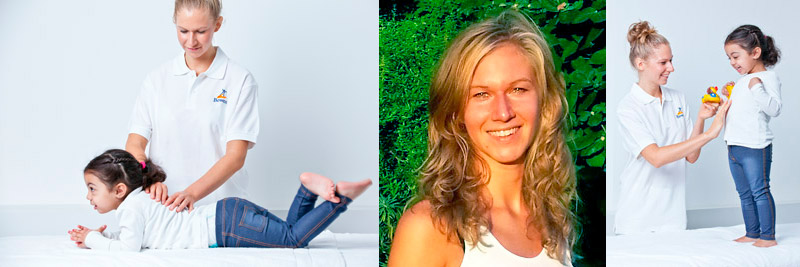
Agatka qualified as a Bowen Therapist in 2009. She has since completed specialist training including Bowen for Pregnancy and Babies & Toddlers, Bowen for Asthma and Respiratory conditions, Bowen for TMJ dysfunction, and Fascia Bowen (a variation of Bowen which children respond very well to).
Agatka is fully CRB-checked, First Aid trained and registered with the Complementary and Natural Healthcare Council, the official government backed regulator for complementary healthcare practitioners in the UK.
She has a firm belief in the body's natural restorative and healing mechanisms and observes how effectively Bowen Therapy helps to trigger these processes.
Agatka works in alternative provision schools providing Bowen Technique and massage therapy to children and young people with complex emotional, social, developmental, behavioural and mental health needs. She builds positive, respectful and trusting relationships with vulnerable young people and responds with care and understanding when they share difficult issues or experience challenging emotions. Agatka also has many years experience working at the Royal Free Hospital where she provided clinical massage to patients on the wards.
'The body heals itself; the physician is only nature's assistant.' Hippocrates
Home visits available across London.
Clinic times are by appointment - please enquire.
Concessions available on an individual basis - please enquire.
Mobile: 07904 630 780
Email: a.warsza@protonmail.com
Web: www.facebook.com/AgatkaAngel
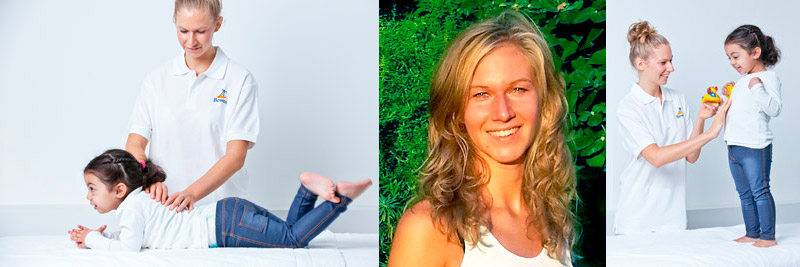
Agatka qualified as a Bowen Therapist in 2009. She has since completed specialist training including Bowen for Pregnancy and Babies & Toddlers, Bowen for Asthma and Respiratory conditions, Bowen for TMJ dysfunction, and Fascia Bowen (a variation of Bowen which children respond very well to).
Agatka is fully CRB-checked, First Aid trained and registered with the Complementary and Natural Healthcare Council, the official government backed regulator for complementary healthcare practitioners in the UK.
She has a firm belief in the body's natural restorative and healing mechanisms and observes how effectively Bowen Therapy helps to trigger these processes.
Agatka works in alternative provision schools providing Bowen Technique and massage therapy to children and young people with complex emotional, social, developmental, behavioural and mental health needs. She builds positive, respectful and trusting relationships with vulnerable young people and responds with care and understanding when they share difficult issues or experience challenging emotions. Agatka also has many years experience working at the Royal Free Hospital where she provided clinical massage to patients on the wards.
'The body heals itself; the physician is only nature's assistant.' Hippocrates
Home visits available across London.
Clinic times are by appointment - please enquire.
Concessions available on an individual basis - please enquire.
Mobile: 07904 630 780
Email: a.warsza@protonmail.com
Web: www.facebook.com/AgatkaAngel
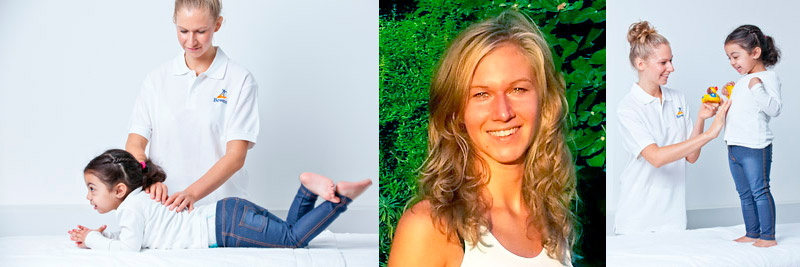
Agatka qualified as a Bowen Therapist in 2009. She has since completed specialist training including Bowen for Pregnancy and Babies & Toddlers, Bowen for Asthma and Respiratory conditions, Bowen for TMJ dysfunction, and Fascia Bowen (a variation of Bowen which children respond very well to).
Agatka is fully CRB-checked, First Aid trained and registered with the Complementary and Natural Healthcare Council, the official government backed regulator for complementary healthcare practitioners in the UK.
She has a firm belief in the body's natural restorative and healing mechanisms and observes how effectively Bowen Therapy helps to trigger these processes.
Agatka works in alternative provision schools providing Bowen Technique and massage therapy to children and young people with complex emotional, social, developmental, behavioural and mental health needs. She builds positive, respectful and trusting relationships with vulnerable young people and responds with care and understanding when they share difficult issues or experience challenging emotions. Agatka also has many years experience working at the Royal Free Hospital where she provided clinical massage to patients on the wards.
'The body heals itself; the physician is only nature's assistant.' Hippocrates
Home visits available across London.
Clinic times are by appointment - please enquire.
Concessions available on an individual basis - please enquire.
Mobile: 07581 322 214
Email: info@joanasbowentherapy.co.uk
Web: www.joanasbowentherapy.co.uk
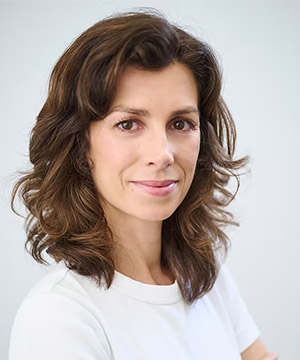
Joana is a Bowen therapist with over 10 years of experience and helps babies, children, including special needs and also children suffering with Long Covid symptoms.
Bowen is exceptionally well-suited for babies and children, who typically respond more rapidly to treatments compared to adults.
Therapy sessions can provide relief and support for issues such as birth trauma, digestive concerns like colic, feeding and breastfeeding challenges, sleep difficulties, teething discomfort, stress, neck restrictions, and bladder problems, including bed-wetting in older children.
Opening times as per my clinics' online booking calendar: www.joanasbowentherapy.co.uk/online-booking.
Babies (up to 2 Years old) – 30min – Price: £45
Children (2-6 Years old) – 45 mins – Price: £50

Mobile: 07795 578 698
Email: cedarsbowentherapy@gmail.com
Web: cedarsbowentherapy.weebly.com/
Whilst raising my four children, my interest in teaching and inspiring the younger generation developed, and I set about my own learning journey, completing my degree in Education for special educational needs and teaching qualification. I became a Lecturer to share my passion for learning, and have enjoyed 8 years of teaching young adults the foundations for their own career dreams.
I discovered Bowen about 10 years ago when I dislocated my knee. I had always had back pain as well and sought relief from this with other therapies or medications - none of which had much effect. I noticed the relief in my back from the first session of Bowen therapy and a significant improvement in my knee and quickly realized its benefits. Never one to stop learning, I just had to learn how to become a Bowen therapist!
I have a special interest in treating children and adults with learning difficulties as this is the area where I have specialised in my previous career. Bowen has successfully treated many different diagnoses.
0 - 2 years - Free
3 - 11 years - £15
12 - 18 years - £25
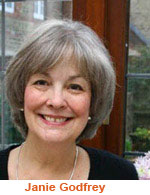
Janie Godfrey has been in practice since 1999 and has attended several courses that are specific to treating children with Bowen (see her website for details of training). Janie sees between 3 and 10 children weekly in her clinic. They range in age from newborns to teens and come for a wide variety of problems which are greatly improved or resolved in the majority of cases. These include: colic, sleep disorders, asthma, frequent colds and chest infections, anxieties and worries, headaches/migraines, digestive problems, panic attacks and growing pains. Bowen treatment can also be helpful with reflex sympathetic dystrophy (RSD, also called complex regional pain syndrome CRPS). In addition, Bowen can often help with aspects of cerebral palsy, Aspergers and behavioural problems. Bowen treatment is very gentle and non-invasive and children are not alarmed or upset by it. If needed, children can be treated while sitting in the parent's lap, which adds to their feeling of security.
To read some interesting articles about how Bowen can help children with a variety of symptoms, please click on one of the tabs below:
When Kate Bridges first heard about Bowen, it was one of those "too good to be true" type stories - the symptoms of a long standing frozen shoulder gone after only three treatments. Kate is now a Bowen practitioner herself and knows that in Bowen circles these life-changing stories are frequent, and they are for real - not that Bowen works for everyone - there will always be about 20% who do not respond to Bowen. But then, that leaves 80% who have a positive response.
Although Bowen is more typically known for its success in the treatment of neck, back and shoulder problems, it can be used effectively for a whole range of physical, emotional and stress related symptoms. This is true for treating children as well and symptoms from infant colic to bedwetting have responded well to Bowen. During the course of a Bowen treatment the practitioner leaves the room at intervals for two or three minutes to allow the patient's body to respond to the treatment. The breaks are an important part of Bowen work with adults but not normally necessary with children whose bodies respond quickly to treatment (we have all seen children listless and feverish in the morning, happily playing football by teatime!).
Two case studies from Kate's clinic illustrate Bowen's positive effect on typical childhood complaints:
Constant Colds
E (5) came with constant colds, followed by a persistent cough which would keep her awake and drag on for a couple of weeks. When the cough did eventually go, she would pick up another cold two or three weeks later and the cycle would start again. The first treatment Kate gave E was a 'balancing' session, the same gentle moves she would make on almost anyone during their first treatment, regardless of ailment.
She saw E one week later and she had a cold – Kate made more moves on her head, neck and upper back. By the third session, the following week, E's cold had gone. E rarely gets a cold these days and when she does, it clears up quickly.
Bedwetting
T (7) came to Kate with a bedwetting problem. After discussion with T's mother, they decided to say the treatment was for her frequent bouts of tonsillitis rather than emphasise the bedwetting to the child. T would wet the bed four or five times a week, and occasionally more than once a night.
Kate asked T's mother to cut out apples and apple juice from T's diet. T wet the bed three times the first week. She had really enjoyed her Bowen session and was looking forward to the next one. After the second treatment, T wet the bed twice. Following the third Bowen treatment T was completely dry all week and stayed dry for two and a half months (she had one accident during this time). T now has a Bowen 'top up' every two to three months. As a bonus, T has had only one very sore throat in the last year which would normally have required antibiotics but which cleared up naturally after 24 hours, much to mum's amazement!
Many thanks to Kate for permission to use this information.
There are a number of commonly seen symptoms that defy most attempts to control or eliminate them. One of these is eczema and its persistent nature is especially frustrating because so many children are afflicted with it. But I have learned to be fairly optimistic when someone brings a child for Bowen treatment for this distressing symptoms. Most of the children have had patches of eczema, usually behind the knees, in the folds of the elbows and around the hairline and eyes. After an initial two or three Bowen treatments, the patches have disappeared or are down to just a bit of non-bothersome flakiness. If the eczema flares up again, usually after some months of being clear of it, they come back for one top-up and it is gone again.
However, one little girl's eczema was well outside the commonly seen symptoms. 3-year-old P arrived for her appointment with her mother with the saddest little face. Her eyes looked worried and wary, her mouth was in a tight, down-turned frown. She was suffering considerably with her eczema. Her scalp, through her blonde hair, was scaly and red; her arms were encased in special gloves from her fingertips to her armpits. She also had significant patches on her back and stomach and legs. Her skin was red and raw looking, clearly painfully inflamed. She was constantly agitated and scratching one area or another, her mother trying to calm her and keep her from doing so as much as possible.
P's eczema first appeared around 8 months of age. She had seen hospital specialists during the following year but the eczema remained the same. Around age 2, P was taken off dairy and the eczema cleared for about 6 months. Then it came back, quite suddenly and severely, for no apparent reason. Her mother was using two different creams, a special soap and antihistamine tablets at bedtime to try to stop the itching. P had been tested for allergies and was off everything to which she showed sensitivity. Her sleep was very disturbed, her appetite poor and the eczema was affecting her behaviour in negative ways. It was at this point that they came to try Bowen.
P was understandably nervous about a new treatment and was very weepy and anxious. She sat in her mother's lap while I did the gentle little Bowen moves on her back, legs and around her neck. Relieved that that was all there was to it, she gave me a tiny smile as she left. When she came for her second treatment one week later, the change in her scalp was immediately noticeable – it was much less scaly and more hair had started to grow in. Her mother reported she was not itching as much and was settling at night and sleeping through most nights. Again, treatment while she sat on her mother's lap.
One week later, for the third treatment, her mother reported that her body was reacting to the treatment and, in conjunction with the eczema diminishing, lymph glands in her groin and neck had swollen during the week. Flaky skin patches were now clearing in a couple of days, where it used to take a couple of weeks. Her hair was continuing to grow in and thicken. P's fourth treatment was two weeks later and the glands were now only slightly swollen and the eczema reduced even further. There had been periods when P hadn't been itching for a day or so. P had even gone without her arm-length gloves for two days. She was much less weepy, whiney and agitated than during previous treatments and sat happily during it. She was thirsty afterwards and gave me a smile and said "thank you" when she left.
The day booked for treatment #5, a fortnight later, was a lovely sunny day and P had been out running and playing in the sun with her sister - without her gloves on. She was so much better and having such a great day, her mother forgot the appointment! So the fifth treatment took place a week after that and the difference in P was amazing. She did not have her gloves on and her arms were a normal skin colour, although still a bit rough to the touch. She was eating better, sleeping better, hair still thickening and only a very few small dry patches on her scalp. P was bouncy, happy, smiling, excited and very happy to have her treatment. A transformed little girl.
It is always very upsetting to see children struggling with anxiety, panic and worry, often expressing their turmoil through difficult behaviour. This only compounds their problems as it alarms and annoys those around them and they are often excluded from peer groups. There can be many causes for this state of affairs from undiagnosed physical illnesses or symptoms, family tensions or break-up, bullying, school or performance pressure, abuse, etc.
It has become very clear over a large number of cases from many practitioners that the effects of Bowen on the emotional level can be very marked indeed, and last for a long time. One of the most common statements adults make after their first or second Bowen treatment is that they may have suffered the same levels of stress or anxiety during the week but they had been able to cope much better and could "see what had to be done and did it" whereas the usual previous pattern had been to do nothing about stressful, worrying or difficult situations and therefore experience them as anxiety with all its physical and psychological symptoms.
There has been a great increase in the use of The Bowen Technique to address these problems in children with some very good results. Children are very open to Bowen because it is gentle and non-invasive and the experience of a treatment is very calming and relaxing to receive – and if a child is very agitated and restless, it has been shown that Bowen can be adapted to still give an effective treatment.
Bowen practitioner Angela Casey has treated a number of children with these problems. 11-year-old 'James' improved dramatically in four treatments. About a year previous to his Bowen treatment, around the time of his SATS exams at primary school, 'James' changed from an easy-going relaxed boy to feeling generally anxious and panicky, sleeping poorly, with attacks of claustrophobia. He found himself getting very anxious being left with a sitter when his parents went out, worrying about accidents, illness, germs and other disasters. School assemblies and church services became an ordeal, and he had to sit near the door to lessen the feelings of panic. His parents had been worried enough to ask their G.P. for a psychiatric referral, which was in the pipeline at the time he started Bowen treatment. After the first treatment he felt an increase in energy and released a lot of anger. A similar picture followed the second treatment. During these two weeks he had no panic attacks, and felt a reduction in anxiety about being away from his parents. Assembly had become less of an ordeal, and after the second treatment his parents were aware of much improvement on an emotional level. After the third treatment there were only small pockets of anxiety remaining, and when 'James' came for his final treatment, his mother said he was so much improved she had decided to cancel the psychiatric referral.
Another child who benefited greatly from Bowen treatment was 9-year-old 'Anne'. She was feeling anxious about school, having nightmares, difficulties with concentration, and making odd repetitive movements with her arms which other members of the family were finding irritating. Sessions one and two produced considerable improvement in general anxiety and behaviour. By the third session she looked much happier and more relaxed. School friends commented on how much better she was concentrating in class, and she herself found she was able to get on with schoolwork much faster. After five sessions, all odd arm movements had stopped; she was sleeping well, rarely having bad dreams.
Bowen is best known as a treatment for musculo-skeletal problems but this consistent reaction to Bowen in the emotional area has to be taken on board. We don't doubt there is a mind-body connection when someone blushes, for instance, and treating the body as a way into an emotional blockage or problem appears to be valid in the clinical experience of many Bowen therapists – and other therapists too, of course. In 1997 the book entitled Molecules of Emotion: the Science behind Mind/body Medicine was published. Its American author, Candace Pert, Ph.D. researched "new paradigm" healing at the Georgetown University Medical School where she was a professor of Physiology and Biophysics. Her research reveals how the "bodymind" functions as a single psychosomatic network of information molecules which control our health and physiology. It is a fascinating book and connects the biochemistry of the body with the mind/emotions very clearly. Reading her conclusions, it is no wonder that in treating the body, where anxieties, fears and traumas can become lodged, the effect can ripple through to the non-physical source of these problems and effect a change in the way they are perceived and dealt with.
Little Stephen was born 3 months premature and had the added complication of having hydrocephalus – 'water on the brain'. This is caused by the accumulation of an abnormally large amount of cerebrospinal fluid (CSF) in the skull. He was treated with the most commonly used method, which was the surgical placement of a shunt system. The shunt system consists of the shunt itself, a catheter and a valve. These are most usually placed within one of the ventricles, which are fluid filled cavities in the brain. In Stephen's case, the mechanisms of the shunt can be felt under the skin of the upper right hand side of his skull and the catheter goes under the skin down behind his right ear and down into his upper right chest where the CSF can be absorbed as part of the circulatory process.
When Stephen was first brought for Bowen treatment, he was nearly three years old. As a result of the hydrocephalus, or perhaps the placing of the shunt, he had mild left side hemiplegia and a speech delay. The reason his mother brought him for Bowen was because she had heard from a friend that it might help calm Stephen down a bit, as he had a number of behaviour problems that weren't getting any better. He commonly reacted to interaction with siblings, friends and nursery school classmates by slapping, hitting, pinching and biting when he was frustrated or tired. He also had occasionally fallen over when playing with other children and this seemed to be a problem stemming from his mild left side paralysis. He had had a few weeks of physiotherapy as a toddler and at this point was only having occasional physio sessions.
Now how could Bowen Technique treatment help with this sort of thing? There has been some striking and well-documented evidence of Bowen's effect on symptoms such as cerebral palsy and autistic disabilities that has come from some dedicated Bowen Technique therapists in Cardiff where they have been recording their results since 1999. Howard Plummer and Helen Watson have now treated hundreds of children and adults with Bowen and have built up an impressive file of case histories.
It would seem that the Bowen treatment is stimulating and accelerating an ability that the brain has to rewire itself to compensate for damaged areas. While no studies have been undertaken specifically on the effects of Bowen Technique treatment on the damaged brain, there have been several papers that point to why Bowen seems to be so helpful in these cases.
One of these studies (Eyre 2004) reported on a two-year research programme asked, "Can the brain be 're-wired' to help children overcome disability?" Funded by the charity Action Medical Research its findings show, remarkably, that where brain damage has occurred either before birth or at birth, the infant brain has a natural capacity to transfer vital functions away from the damaged area. The researchers were convinced that it is critical to act as early as possible, before the brain's plasticity diminishes.
Stephen's first four Bowen treatments were weekly between 16th June and 13th July. He was very wary of any treatment (who can blame him after all he had been through), but would allow it if he was sitting on his mother's lap. During the week after the first treatment, he had a much better week with some improved behaviour. On the morning of the second treatment, he bit another child and his mother thought it was most likely the fastest reaction available to him when a classmate was moving in on his computer. Otherwise, no obvious change.
In the week after the second treatment Stephen's behaviour was still somewhat better and he was speaking more. And after the third treatment his speech was really coming along very noticeably and very well. This development was suddenly bounding ahead and was in marked contrast to the lack of any real development in his speech before Bowen. In addition, Stephen seemed much happier in himself and there were no incidents of biting or loss of control. This seemed to be in direct correlation to his greatly improved capacity for speech – he could verbalise his opinions and needs now and didn't have to hit and bite. He was also using his left side a bit more. His mother described him as a "contented little man" and he had had only a slight regression with speech and peacefulness over the few days before this Bowen treatment.
Most amazingly, about 3 days into the week following his fourth treatment, his mother reported, with tears of delight and amazement, that Stephen had reached up to a playground bar overhead with both hands, held on with both hands and swung there. He had never been able to do this before and this development was a real benchmark in the change that Bowen had prompted in him.
He continued to have Bowen treatment every few weeks for the rest of the year and he continued to use his left side more and more and his speech continued to blossom. He was able to put long sentences together and express a good vocabulary and even use more abstract thoughts to express himself. This treatment series was now a year ago and he continues to be a happy little boy.
The Bowen Technique is a gentle, non-intrusive, light touch therapy that can give great relief to a wide variety of symptoms including many of the aches and pains of pregnancy.
A Bowen treatment consists of a series of gentle rolling-type moves, using thumbs and forefingers, at very precise points on the body, mainly on back, legs and neck and it can be given through light clothing. During the course of a Bowen treatment the practitioner leaves the room at intervals for two or three minutes to allow the patient's body to respond to the gentle stimulation of the moves. The breaks are an important part of Bowen work with adults but they are not normally necessary with children, whose bodies respond quickly to treatment (we have all seen children listless and feverish in the morning, happily playing football by teatime!).
While Bowen is best known for treating back and neck pain, sports injuries, frozen shoulder and even asthma and hayfever, it can be used effectively for a whole range of physical, emotional and stress related symptoms from infant colic to bedwetting. It is also a very effective treatment for many of the discomforts, pains and problems experienced during pregnancy. It can bring great relief from the almost inevitable back ache as the baby gets heavier, and can also reduce fluid retention, ease breast tenderness, help with sleep disturbances and prompt the body to maintain a good posture.
The pressures and strains of carrying a baby, especially towards the end of a pregnancy, are considerable and the effect of the Bowen Technique back moves has provided relief from back pain for many a heavily laden lady. One young woman began having back pain in the early stages of her pregnancy and the physiotherapist gave her a strap to wear. This provided a bit of relief at first but she needed to wear it all day and it was getting more and more uncomfortable and cumbersome. About 5 months into her pregnancy, she heard about Bowen. After two treatments, one week apart, she was able to dispense with the strap with no ill effects. She came back for a top-up treatment about six weeks later when she felt a hint of backache and then continued through to the end of her pregnancy without any further problems. Another typical "pregnancy back" was kept at bay in the final three months with a Bowen treatment about every two weeks. Another great benefit of a Bowen treatment is that it is very relaxing.
When the due date had come and gone, a very overdue mother-to-be rang her local Bowen practitioner. She had tried "everything" to get the labour going naturally and nothing had worked so far. She had just a few Bowen moves on her back and sacrum while straddling a chair backwards but that seemed to be enough - she had the baby that night.
Debbie and her family had been having Bowen treatments for 3 or 4 years before she became pregnant with her second child, Amy. Bowen had helped her husband recover from a major illness and Debbie had Bowen at regular intervals throughout her pregnancy and even during labour and delivery. During pregnancy, she found that it helped relieve her nausea, back pain and heartburn and it consistently gave her more energy. Her Bowen practitioner also did some work on Debbie's pelvis, which gently balanced it and this seemed to help during labour. In fact, at one point, Debbie was able to fall asleep for two hours during labour, giving her some much needed rest for the final push, so to speak. After the sleep, her contractions were strong and labour seemed to speed up. It was a quick and efficient labour in comparison to her first labour and all was accomplished without drugs. After the birth, Bowen reset Debbie's pelvis very nicely and she recovered from the childbirth smoothly.
Little Amy experienced her first Bowen moves just after delivery, with a few gentle touches to ease her transition into the world. Since then, she has had Bowen for colic (which Bowen settles quickly and easily in babies, well before the age of 4 months when colic tends to disappear) - and for chest infections. Amy, now just over two, loves coming for Bowen treatments, always arriving with a big smile and she immediately lies down with a look of happy anticipation on her face.
Teresa's experience of Bowen began after a particularly noteworthy delivery of her second son - it even made the local newspapers! She was just one day overdue and had arrived for a regular check up at her doctor's surgery. Suddenly, she began labour and realised that this was it - she delivered her baby in the surgery within the half hour. After such a fast delivery, her back and hips felt painful and crooked. As she was leaving her first Bowen treatment she noted that her back felt much better already and she felt "lighter". During the week, she "felt things moving" in the pelvis and back as the joints resettled correctly. She was also much calmer and was not getting frantic and cross.
In Bowen circles these stories of great relief are frequent and true. While it is fair to say that Bowen does not work for everyone - there will always be about 20% who do not respond to Bowen - that leaves around 80% who have a positive response - very good odds, indeed.
Clinic times: by appointment. Out of hours may be possible.
£10 for age 0 - 10
£15 for age 11 - 16
£20 for age 17-20
Tel: 01782 845 659
Email: christinecahalin@yahoo.co.uk
Web: www.christinecahalin.co.uk
Clinic times are by appointment only.
FREE but donations accepted
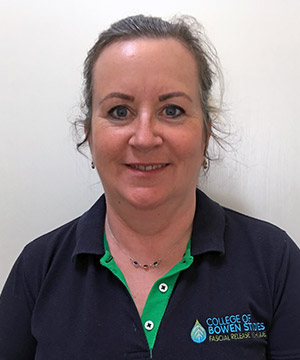
I have a keen interest in working with young children and babies. Bowen is very suitable for children, sessions tend to be shorter and take place on the floor, sofa, on Mum or Dad's lap, or anywhere that the child is happy. Please bring your child's favourite toy and cuddler. Children usually respond very quickly.
Babies & Children up to and including 3yrs old - FREE when brought to clinic (price on application for home visit - available up for up to 3yrs old only)
Children 4 - 10yrs old - £15 per session in clinic
Children 11 - 16yrs old - £22 per session in clinic
Children 17 - 18yrs old - £30 per session in clinic
Tel: 01359 231 652
Mobile: 07725 172 174
Email: jacky@wellbeans.co.uk
Web: www.wellbeans.co.uk
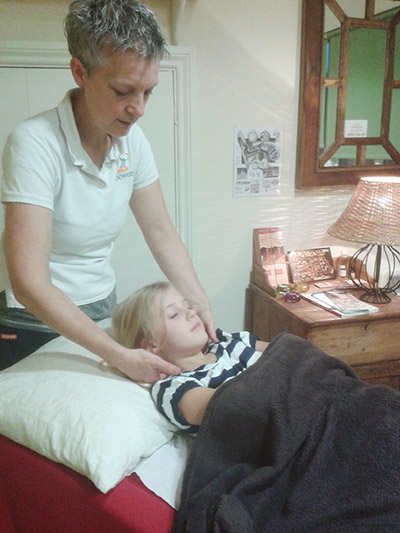
Jacky has been working in Bowen children's clinics since 2011, firstly helping in Jo Wortley's Bury St Edmunds clinic where she gained invaluable experience. In November 2013 she opened her own clinic at her Complementary Therapy Practice near Ixworth where she sees between three and eight children in a typical week. The ages of children range from babies though to 14 yrs old and come along for various different reasons. For instance, emotional problems such as anxiety or worries about school, often difficulties with concentration or sleep and all sorts of other issues including eczema, asthma, digestive problems, headaches as well as for help to ease the symptoms of more complex conditions.
The youngest baby Jacky has seen in the clinic was 5 weeks old and his colic greatly improved after having a couple of Bowen sessions. She has found that the one thing children of all ages seem to have in common is that they like the feeling of having Bowen and that even the most excitable children enjoy the experience and will usually lay down and relax. Often toddlers are less inclined to lay on a couch so the Bowen is done while the child is playing or sat on Mum's knee.
Since qualifying in 2011, Jacky has undertaken numerous further Bowen training courses including 'Mothers & Babies' and Fascia Bowen, both particularly relevant to children. She is also a qualified Bach Flower Practitioner.
Clinic times: During normal clinic hours, by appointment
0—11 years - £20
Tel: 01473 219 289
Mobile: 07896 352 107
Email: jackiesbowen@gmail.com
Web: www.bowen4bowen.co.uk
Mobile: 07952 539 422
Email: amandacusack.therapies@gmail.com
Web: www.amandacusack.co.uk
Clinic times are by appointment only.
£30 per session.
Tel: 01926 289189
Mobile: 07790 724 300
Email: kathryn@timeforme-kenilworth.net
Web: www.timeforme-kenilworth.net
All children under 16 must be accompanied by an adult.
Clinic is on the ground floor and is fully accessible.
Children are currently seen in normal clinic hours rather than being a specific clinic time - full Covid measures remain in place for all clinic sessions as we see many clinically vulnerable clients.
Clinic is open Tuesdays, Wednesdays, Thursdays and Fridays.
Children's prices are generally half the price of adult prices - see https://www.timeforme-kenilworth.net/pricing/
Mobile: 07966 660 508
Email: bebetterwithbowen@outlook.com
Web: www.BeBetterClinic.co.uk
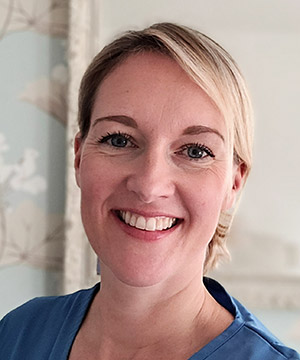
The clinic is run by Jenny O'Brien, a Bowen Therapist and former NHS Occupational Therapist.
Jenny has worked with children for over 17 years, working in the NHS with neonates to the elderly, with a range of conditions.
Appointments are available all day on Mondays, Wednesdays, and Fridays.
Please email to book an appointment.
£45 for children (babies up to 18 years).
£55 for adults and pregnant people.